Europe seeks common ground ahead of key anti-doping talks in Astana
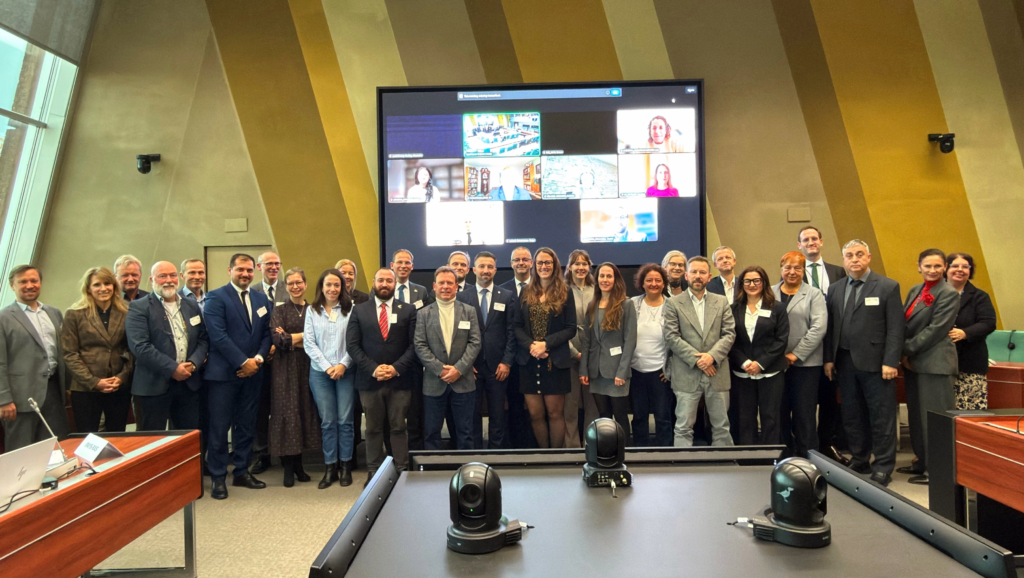
European governments have met in Strasbourg to coordinate their positions ahead of a new round of international anti-doping decisions, with questions of governance and representation also on the agenda.
The 73rd meeting of the Council of Europe’s Ad Hoc European Committee for the World Anti-Doping Agency (CAHAMA), held on 17-18 November, came just days before WADA’s Executive Committee and Foundation Board meetings in Astana, Kazakhstan, scheduled for 24-26 November.
At the heart of the discussions was a familiar challenge: how to bring together different national perspectives into a coordinated European position on international anti-doping policy.
CAHAMA plays a distinctive role in this process. It provides a forum for European governments to discuss policy priorities and prepare common positions before decisions are considered at the international level.
The Strasbourg agenda included exchanges on upcoming WADA decisions, institutional cooperation and reports from expert groups working on anti-doping issues.
But attention was not limited to Astana. With elections for CAHAMA’s Chair and Vice-Chair scheduled for March 2027, the committee is also approaching an important moment in its own governance. Questions of representation, including gender and geographical balance, remain relevant as European governments prepare for the next leadership cycle.
The meeting highlighted a less visible side of international sport governance: the negotiations and coordination that take place before formal decisions reach the table.
What emerges from Astana will show how the next stage of international anti-doping policy takes shape – and where Europe’s coordinated priorities fit within it.
Thank you for your rating!
Share your thoughts