Transparency as safeguarding: accessible disciplinary information strengthens safer sport
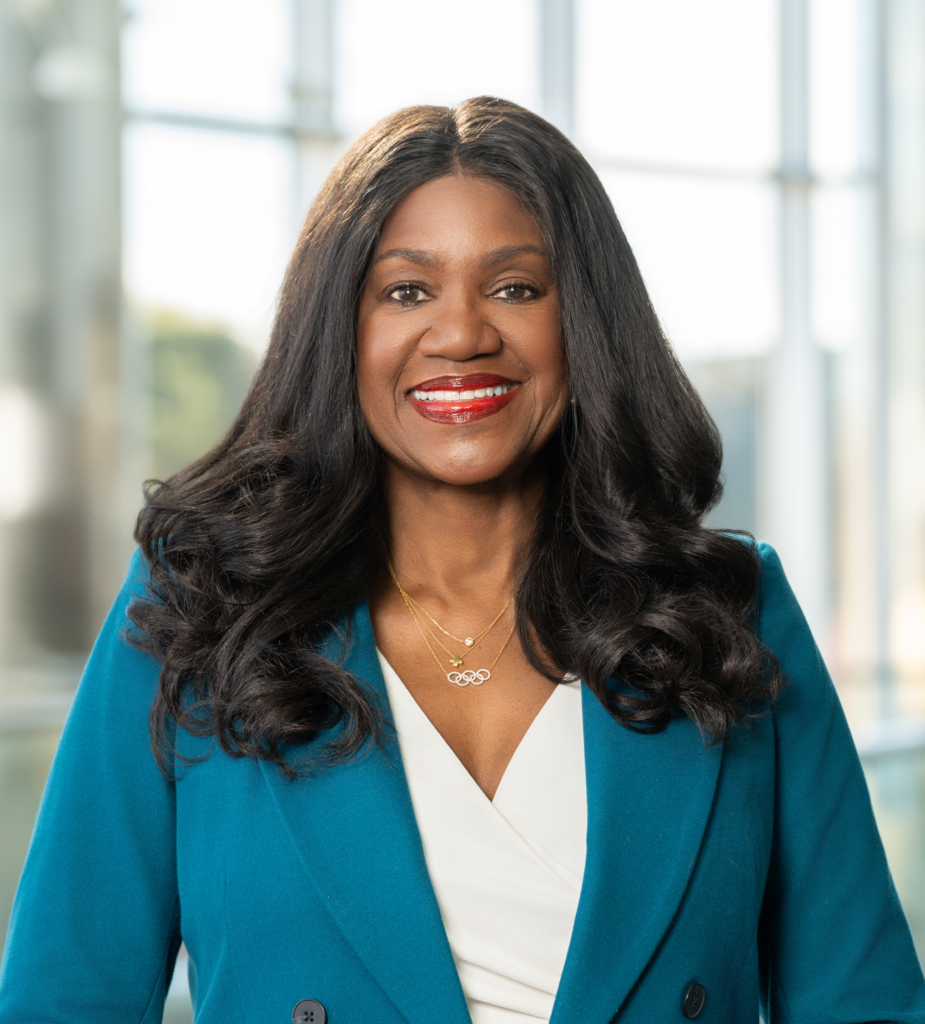
Benita Fitzgerald Mosley,
CEO of the U.S. Center for SafeSport
https://uscenterforsafesport.org/
I know what it means to strive for and achieve an athletic dream. In1984, at the Olympic Games in Los Angeles, I stood on the podium as the first American woman and first Black woman to win gold in the 100-meter hurdles.
In many ways, athletic accomplishments (big and small) are about accountability to their goals, to their coaches, and to their teams. Athletes show up, push themselves, and seek to achieve their best. But we don’t do it alone. We are part of families, networks, and communities where accountability is also an indispensable component. The work an athlete puts in matters, and so does the system in which they learn, strive, and compete.
There is no doubt that the power of sport can have a positive impact on the trajectory of someone’s life. I’ve experienced it. And I’ve witnessed it as the mother of two children who have fulfilled their potential through sports. But just as sport can be a powerful and positive influence, conversely, harmful and negative sport environments are equally powerful and have the ability to undermine the benefits of sport and interrupt an athlete’s dreams.
Today, we have an opportunity to shift the culture of sport and reimagine what excellence in athlete safety and well-being can be. As the new CEO of the U.S. Center for SafeSport, and as an Olympian, I’m chasing a new dream: to create a safer sport ecosystem for every athlete, one where abuse and misconduct are not tolerated.
By shoring up our nation’s athlete protection and safeguarding systems, including by working to increase transparency, we can prioritize positive change to support, protect, and uplift athletes so they can focus on fulfilling their potential on every field of play.
Just as I won gold in LA with the help of the community surrounding me, I believe setting a new standard for athlete safety takes all of us working together. During my first few months in this role, I launched a nationwide stakeholder engagement and listening tour to better connect with the athletes and sport communities we serve. In an effort to more clearly understand where our support is needed, we placed athlete voices at the forefront, along with others who have a stake in athlete safety, so we:
→ Convened individuals from 40 countries for international athlete safeguarding symposia during the 2026 Winter Olympic and Paralympic Games, propelling conversations on collaboration and best practices with athletes, safeguarding experts, and leaders in sport;
→ Called on coaches, athletes, survivors, parents, leaders across sport, and administrators to share their experience with SafeSport and help us shape our path forward as the United States’ safeguarding organization; and
→ Engaged with key U.S. government officials to discuss the growing demands for SafeSport’s programs and vision for setting higher standards for athlete safeguarding across the board.
We called on our stakeholders and their voices were clear. They asked for transparency, fairness, and stronger communication. We agreed and have set out on an ambitious plan to meet those requests.
We strive to enhance transparency and are committed to finding additional opportunities for communication and collaboration. In addition to investigating and adjudicating allegations of abuse and misconduct in Olympic and Paralympic sport, SafeSport maintains a public database of adults currently barred from sport participation within Olympic and Paralympic sport.
However, building the database alone has not ensured that members of the public are aware of its existence or are utilizing it to support safety and accountability. In fact, outside of sport administrators required to enforce SafeSport sanctions, many people are unaware of SafeSport’s database. This is especially true across sports at the local, grassroots level. Additionally, communities and organizations outside of Olympic and Paralympic sport, particularly those that are youth-serving, would benefit from knowledge of SafeSport’s disciplinary actions as a resource for better protecting their members.
Recognizing these gaps, this July we launched weekly news updates naming individuals who have been added to the database and are currently subject to certain sanctions and restrictions that impact their participation in sport.
In the first month since launching these weekly news updates, we experienced a 125% increase in new visitors to the SafeSport database. This notable percentage is a testament to how crucial transparency and accessibility to disciplinary information is. We have also increased news coverage at the local and state level to keep the public better informed. By raising awareness, all of us can come together to maintain safer sport environments for athletes in a complex milieu of sports programs across the United States and the globe.
Nothing like the SafeSport database existed when I was an athlete. But just as I depended on the eyes and ears of my community to help safeguard me and my sport experience, the database and SafeSport’s public weekly updates offer a tool to help protect countless athletes, both nationally and internationally, from potential harm. Whether you’re a parent, coach, athlete, sport leader, or another interested member of the sport community, you can check SafeSport’s disciplinary database, run a search, and learn if anyone within your sport is currently restricted or barred from participation.
We have an opportunity to positively shape the future of athletics – and it’s going to take all of us. SafeSport has taken meaningful steps toward prioritizing a healthier sport environment where athletes can thrive. But much more can and needs to be done. We are committed to continuing to listen to those we serve and improve our process for accepting and responding to cases of misconduct and abuse in U.S. Olympic and Paralympic Movement sport. Over the next three years, SafeSport is working toward setting the gold standard for athlete safeguarding. The LA28 Games will be a key touchstone in further elevating our programs.
Athletes deserve the opportunity to strive for greatness untethered. By holding each other accountable, having open, honest conversations about abuse prevention, doing our due diligence to check SafeSport’s database, and following safeguarding policies that protect athletes, we can lean on transparency and accessibility as key pillars of our safeguarding system, helping pave the way for athletes to thrive and succeed.
As a hurdler, I never shy away from a challenge. I believe this dream, of creating a world in which athletes can play and compete free from the fear of harm, is worth its weight in gold.
Short biography
Benita Fitzgerald Mosley, an Olympic Gold Medalist (Los Angeles, 1984), is the CEO of the Denver-based nonprofit, the U.S. Center for SafeSport. The Center is the nation’s independent organization dedicated to ending sexual, physical, and emotional abuse in U.S. Olympic and Paralympic sport.
IPSEI publishes Expert Voices contributions to encourage independent discussion on sport ethics and integrity. This Expert Voices contribution reflects the personal views of the author and does not necessarily represent the views, position, or editorial opinion of IPSEI.
Cite this Expert Voice
Please use the suggested citation below when referencing this article in institutional websites, reports, academic materials, newsletters or professional profiles:
Fitzgerald Mosley, B. (2026). Transparency as safeguarding: accessible disciplinary information strengthens safer sport. IPSEI Expert Voices.
https://ipsei.org/transparency-as-safeguarding-accessible-disciplinary-information-strengthens-safer-sport/


Thank you for your rating!
Share your thoughts